Frequently Asked Questions About Maui’s Volcanoes & National Parks
What is the best time to visit Haleakalā National Park?
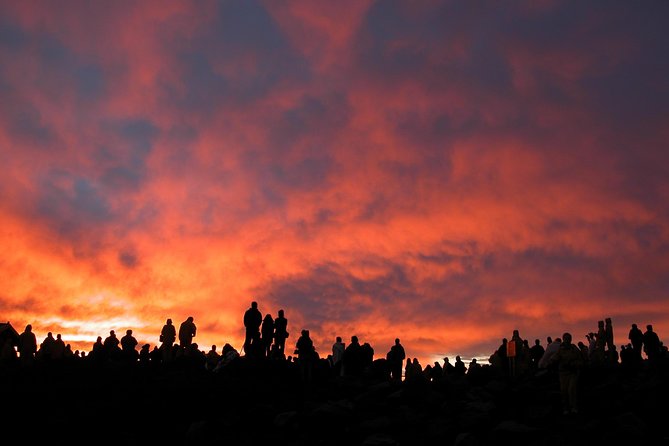
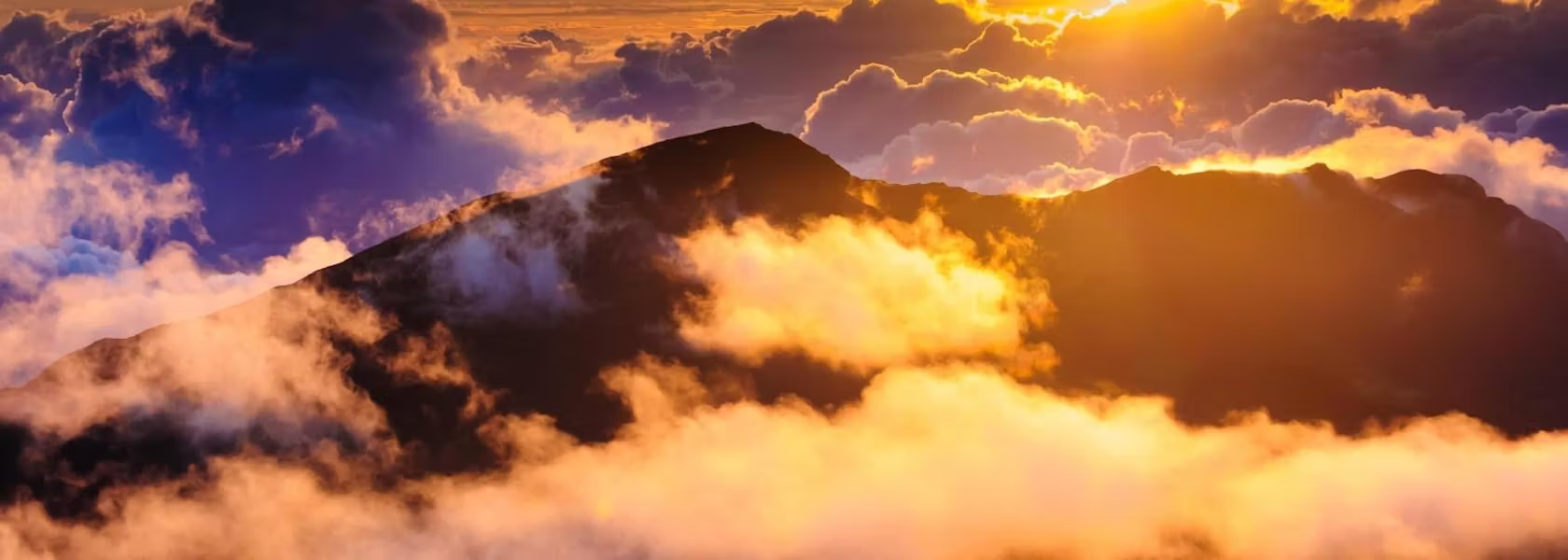
The best time to visit Haleakalā is early morning before sunrise to witness the summit views and avoid afternoon clouds. Visit during the dry season (May–September) for optimal weather and road conditions.
How high is Haleakalā volcano?
Haleakalā stands 10,023 feet above sea level, making it the second-highest mountain in Hawaii. The elevation change creates distinct climate zones and rare alpine ecosystems.
Can you hike in Haleakalā National Park?
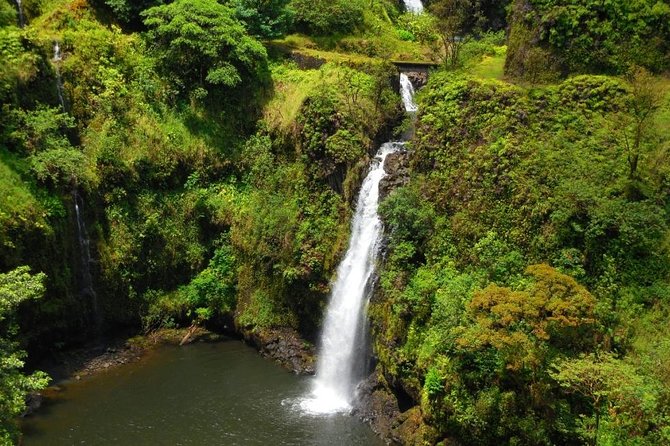
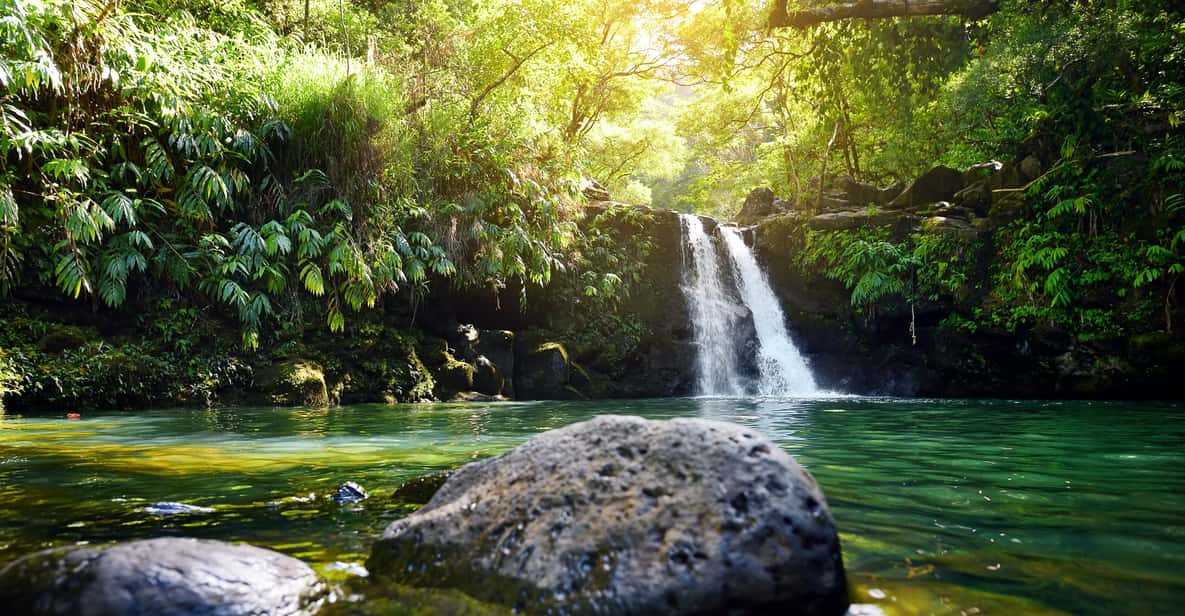
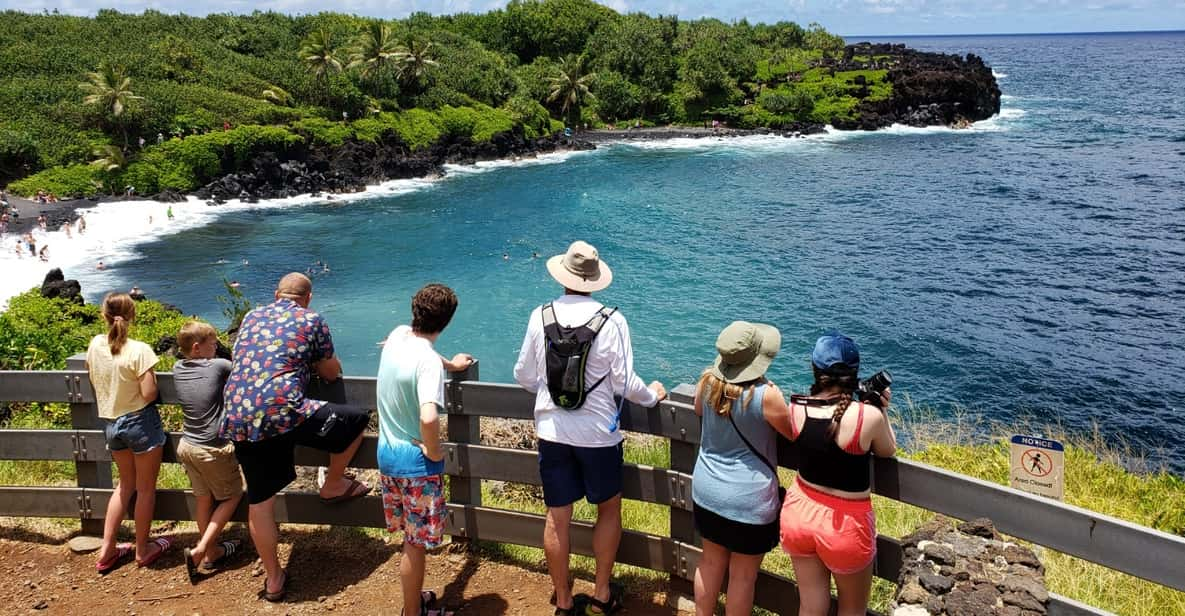
Yes, Haleakalā National Park offers numerous hiking trails ranging from easy to strenuous. Popular trails include Crater Rim Trail, Sliding Sands Trail, and Kīpahulu area trails with ocean views and waterfalls.
Are there entrance fees for Haleakalā National Park?
Yes, Haleakalā National Park charges an entrance fee of $30 per vehicle or $15 per person for a three-day pass. Fees support park maintenance and conservation efforts.
What volcanic features can you see at Haleakalā?
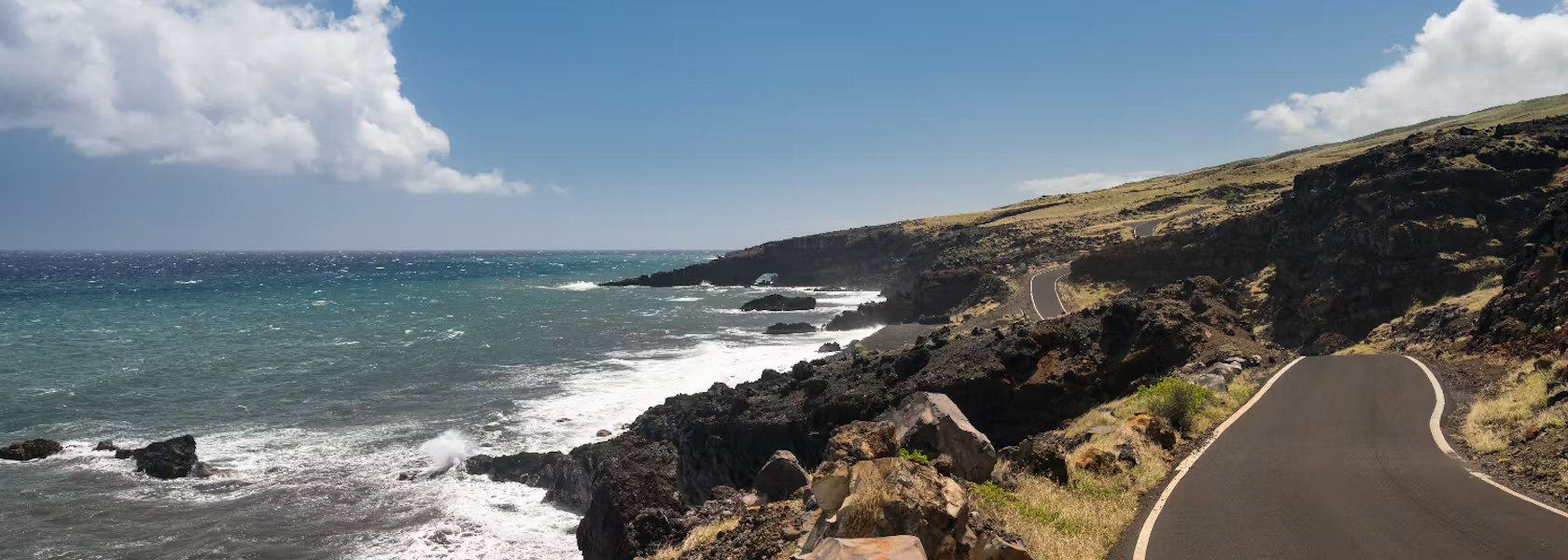
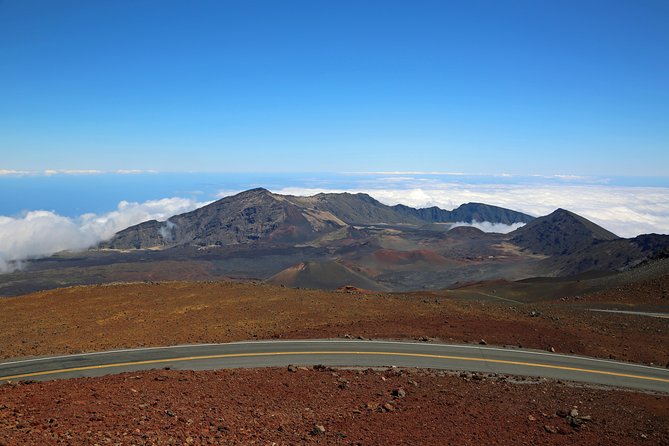
Visitors can see the main crater, cinder cones, lava flows, and volcanic rock formations. The landscape resembles Mars and showcases thousands of years of volcanic activity and Hawaiian geological history.